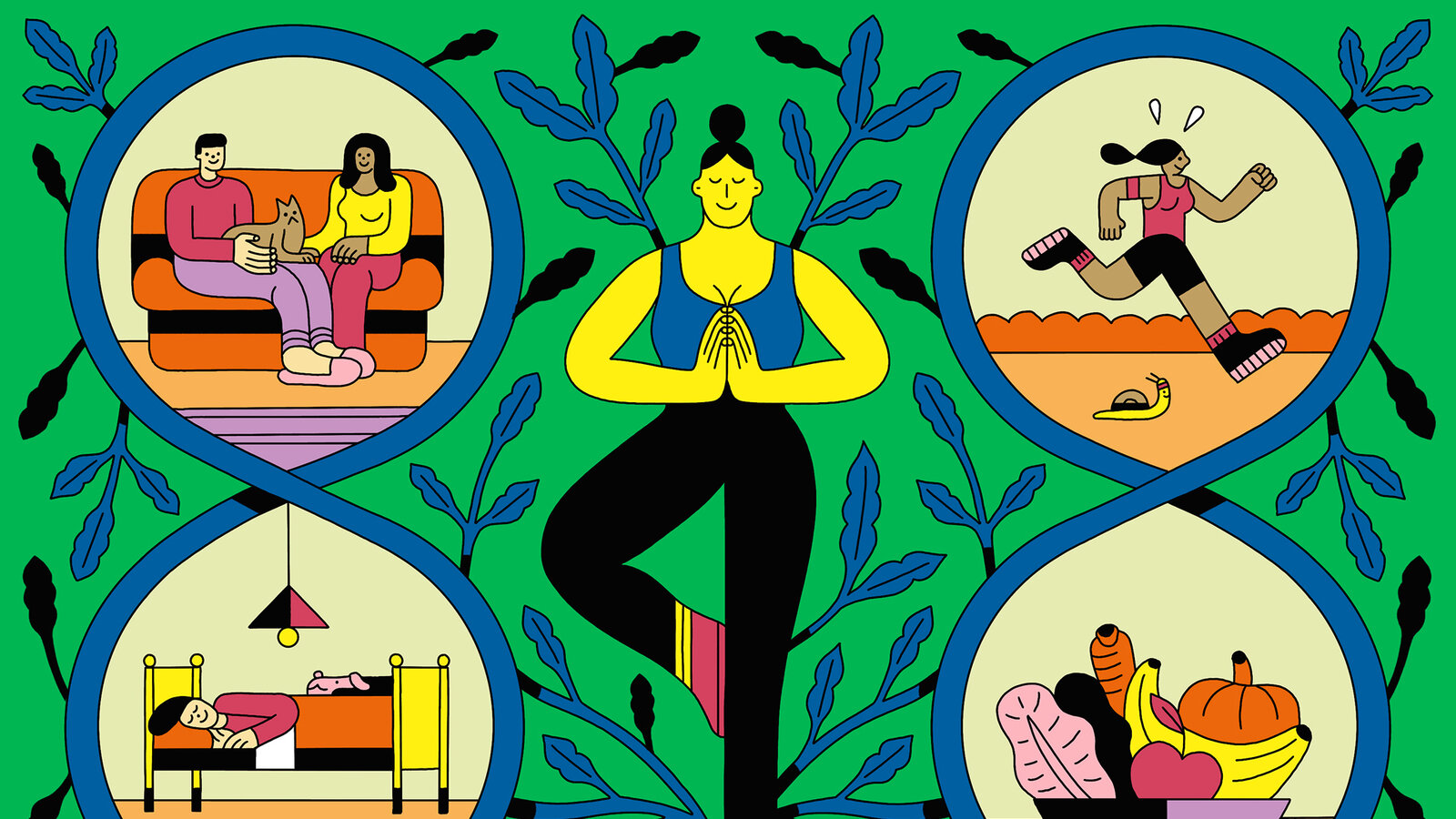
Certain regions around the world consistently report higher life expectancy and lower rates of chronic disease. These longevity hotspots offer measurable insights into how lifestyle patterns influence long-term health outcomes. Their advantage is not genetic luck alone, but structured daily habits maintained over decades.
For readers interested in performance, discipline, and long-term strategic thinking — whether in sports or analytics-driven industries — the lessons behind longevity are highly practical.
Okinawa, Japan
Okinawa has long been recognized for its high number of centenarians. Cardiovascular disease rates are lower than in many industrialized nations, and functional independence in old age remains high.
Core Lifestyle Drivers
- Plant-dominant diet rich in vegetables, tofu, seaweed, and sweet potatoes
- Calorie moderation guided by the 80% fullness principle
- Strong lifelong social groups
- Daily natural movement
Okinawans rarely overeat and maintain stable body weight. Their diet is nutrient-dense and low in processed foods, contributing to lower inflammation and better metabolic markers.
Sardinia, Italy
Mountainous areas of Sardinia report exceptional male longevity. Physical environment and family structure play key roles.
Contributing Factors
- Daily walking on steep terrain
- Mediterranean diet emphasizing legumes, olive oil, and whole grains
- Moderate wine consumption
- Multigenerational family systems
Constant moderate physical activity supports cardiovascular endurance. Strong family ties reduce psychological stress, which contributes to lower long-term disease risk.
Nicoya Peninsula, Costa Rica
The Nicoya Peninsula is known for low middle-age mortality and high life expectancy.
Lifestyle Characteristics
- Diet centered on beans, corn, squash, and fruit
- Mineral-rich water supporting bone health
- Clear sense of life purpose
- Outdoor activity integrated into daily routines
Residents often remain physically active well into older age. A consistent routine and strong community networks contribute to mental stability and reduced stress.
Ikaria, Greece
Ikaria reports unusually low dementia rates and high functional health among older residents.
Health-Supporting Habits
- Regular mid-day rest
- Herbal teas rich in antioxidants
- Olive oil as primary fat source
- Minimal processed food intake
Stress levels remain lower than in many urbanized regions. Social gatherings and shared meals strengthen emotional resilience.
Loma Linda, California, USA
Loma Linda stands out within the United States for its higher life expectancy. A significant portion of the population follows structured lifestyle principles.
Measurable Practices
- Predominantly plant-based diet
- Regular weekly rest period
- Low smoking and alcohol rates
- Strong community support
Residents maintain lower obesity and heart disease rates compared to national averages.
Shared Longevity Patterns
Despite cultural differences, these regions share consistent principles:
- Daily low-to-moderate movement
- Plant-focused, minimally processed diets
- Moderate calorie intake
- Strong social integration
- Defined life purpose
None depend primarily on advanced medical interventions. Prevention through routine behavior is the dominant factor.
Physical Activity and Cognitive Health
Regular walking and physical labor improve circulation and oxygen delivery to the brain. Studies consistently show links between moderate physical activity and:
- Improved reaction time
- Better executive function
- Lower cognitive decline risk
For individuals operating in high-focus environments — including sports analytics or probability-based industries — cognitive clarity has measurable value.
Stress Regulation and Longevity
Chronic stress accelerates inflammation and metabolic dysfunction. In longevity regions, social bonds and slower daily rhythms reduce sustained cortisol exposure.
Emotional regulation and structured routines mirror performance strategies in competitive environments. Long-term stability outperforms short-term intensity.
Nutrition Structure Over Restriction
Longevity diets are not extreme. They emphasize:
- Legumes as primary protein source
- Whole grains instead of refined carbohydrates
- Healthy fats such as olive oil
- Limited added sugars
Caloric moderation occurs naturally through portion control and nutrient density rather than rigid dieting.
Practical Application
You do not need to relocate to adopt longevity principles. Practical adjustments include:
- Aim for 7,000–9,000 steps daily
- Replace processed meals with plant-based staples
- Build consistent sleep routines
- Maintain active social relationships
- Define a long-term personal purpose
Small daily behaviors compound over decades. The key is consistency rather than intensity.
The Strategic Lesson
The world’s longest-living communities demonstrate that sustainable systems outperform extreme efforts. Longevity results from routine discipline applied consistently.
Whether in physical health or analytical performance, stability produces better long-term outcomes than short bursts of intensity. Health, like strategic success, is built on repeatable habits.
These five regions show that living longer and healthier is not accidental. It is the outcome of structured, balanced living maintained over time.