
The online casino industry has undergone significant transformation over the past three decades. What began as a limited selection of simple digital slot machines has evolved into advanced platforms featuring live dealers, interactive game shows, and mobile-first ecosystems. Understanding this evolution helps players better evaluate modern platforms such as Bizzo Casino and recognize how innovation continues to shape digital gambling.
The Beginning: Simple RNG Slots
In the mid-1990s, the first online casinos appeared with basic functionality. Internet speeds were slow, software was minimal, and visual design was limited. Early platforms focused almost entirely on digital slot machines powered by Random Number Generator (RNG) technology.
These early slot games typically offered:
- Three reels with classic fruit symbols
- Basic paylines and fixed bet sizes
- Minimal animations and sound effects
- Limited or no bonus rounds
The primary objective was technical reliability rather than immersive entertainment. Despite their simplicity, these games established the foundation for secure remote gambling and algorithm-based fairness.
The Rise of Advanced Video Slots
As broadband internet expanded in the early 2000s, developers began introducing five-reel video slots with improved graphics and additional features. This period marked the shift from mechanical simulation to entertainment-driven design.
Bonus rounds, free spins, wild multipliers, and progressive jackpots became standard components. Game themes expanded beyond traditional fruit machines to include mythology, adventure, and branded entertainment concepts.
Slots evolved from static games into dynamic products designed to hold attention through storytelling and layered mechanics. RTP transparency also improved, allowing players to compare theoretical returns before choosing a title.
The Mobile Revolution
The introduction of smartphones changed online gambling permanently. Players no longer needed desktop computers to access casino platforms. Developers quickly adapted by implementing HTML5 technology, ensuring compatibility across devices.
Mobile gaming introduced flexibility and accessibility. Players could log in anytime, place bets instantly, and switch between games seamlessly. The user interface became simpler and more responsive, emphasizing speed and intuitive navigation.
Today, platforms like Bizzo Casino prioritize mobile optimization because a significant portion of traffic comes from smartphones. The shift to mobile also accelerated game development cycles and increased competition among providers.
Live Casino: Bringing Real Dealers Online
One of the most important milestones in casino evolution was the introduction of Live Casino formats. Instead of relying solely on RNG software, operators began streaming real dealers from professional studios.
Live blackjack, roulette, and baccarat created a bridge between digital and land-based gambling. Players could observe real cards being dealt and wheels spinning in real time, which increased transparency and trust.
High-definition streaming, multi-camera angles, and interactive chat features enhanced realism. The slower pace of live games also created a more structured and social experience compared to fast RNG sessions.
The Emergence of Live Game Shows
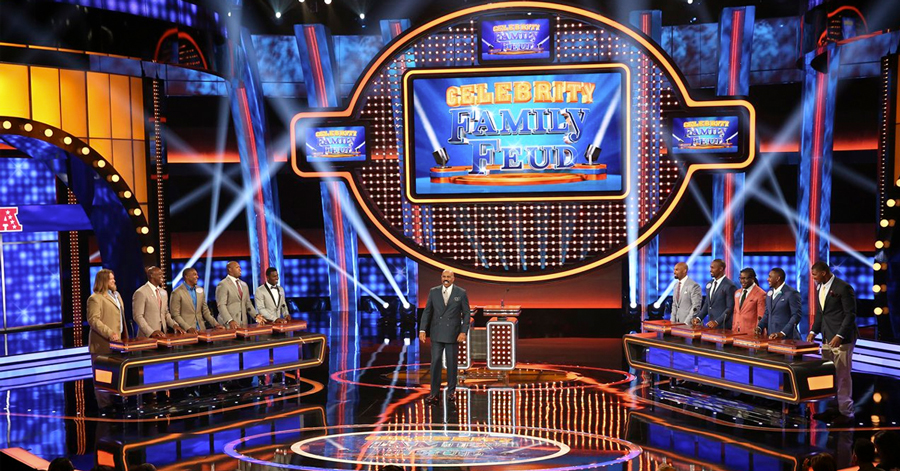
Live Casino did not stop at traditional table games. Developers expanded the concept into live game shows inspired by television entertainment formats. These games combine hosts, large prize wheels, bonus rounds, and multiplier systems.
Live game shows are built around spectacle and engagement rather than pure strategy. They often include dynamic bonus segments and layered payout structures designed to maintain excitement throughout each session.
This stage of development reflects the industry’s shift toward blending gambling with entertainment production. The goal is no longer just betting — it is creating a broadcast-style experience.
Technological Innovations Behind the Growth
The transformation of online casinos has been driven by multiple technological improvements. Core systems now operate with advanced security protocols, faster payment processing, and improved streaming infrastructure.
Modern platforms rely on:
- Certified RNG systems audited by independent laboratories
- High-definition live streaming with low latency
- Secure encryption for financial transactions
- Diverse payment methods, including e-wallets and cryptocurrencies
These advancements increased player confidence and expanded the global reach of online casinos.
Personalization and Gamification
Another major shift is the move toward personalization. Platforms analyze player behavior to offer tailored bonuses, loyalty programs, and game recommendations. Instead of static libraries, casinos now operate as interactive ecosystems.
Gamification elements such as missions, reward points, and leaderboard systems encourage longer engagement. The focus has expanded from short-term play sessions to long-term player retention strategies.
This stage marks the integration of data analytics into casino operations, improving both marketing precision and user experience.
Regulation and Industry Maturity
As online casinos expanded globally, regulatory frameworks strengthened. Licensing authorities introduced stricter compliance standards covering security, responsible gambling tools, and financial transparency.
Identity verification procedures, deposit limits, and clear bonus terms became industry norms. Regulation improved credibility and attracted broader audiences who previously hesitated to engage with digital gambling platforms.
Modern casinos operate within structured legal systems that protect both operators and players.
Looking Ahead: The Future of Online Casinos
The evolution of online casinos continues. Artificial intelligence, blockchain integration, and virtual reality are shaping future development. AI may enhance responsible gambling tools and personalize experiences further. VR technology could simulate land-based casino environments in immersive 3D spaces.
While classic slots remain popular, industry growth clearly favors interactive and immersive formats. The progression from simple digital reels to live-hosted game shows demonstrates the sector’s ability to adapt to technological innovation and changing player expectations.
Conclusion: From Simplicity to Immersive Entertainment
Online casinos have evolved from basic RNG slot platforms into sophisticated digital entertainment ecosystems. Each stage — from classic three-reel machines to mobile gaming and live game shows — reflects improvements in technology, accessibility, and user experience.
Platforms like Bizzo Casino illustrate how modern operators combine traditional gambling formats with advanced streaming and personalization tools. The industry’s transformation highlights one consistent trend: continuous innovation driven by player demand and technological progress.